
Dental Fillings and Cavity Treatment in Beverly Hills, CA
Medically reviewed by Dr. Kayla Lebeau, DDS
How a cavity forms, and why it does not hurt at first
Bacteria in plaque turn sugar into acid. The acid dissolves minerals out of the enamel. Saliva puts minerals back. All day, every day, your teeth swing between those two states, and a cavity is simply what happens when the losing side wins for long enough.
Enamel has no nerves, so the early stages are silent. Pain arrives when the decay has reached the dentine underneath and started approaching the nerve, which is late. That is why we look for cavities rather than wait to be told about them.
- Found byExamination and X-rays, usually before symptoms
- Early decayCan sometimes be reversed, not drilled
- Appointment30 to 60 minutes
- NumbingLocal anesthetic
Worth getting checked if
- Something is sensitive to cold or sweet and the feeling lingers
- Floss catches, shreds or tears in one particular spot
- You can see a dark spot, a hole, or a chalky white patch
- Food packs into the same place after every meal
- A tooth aches when you bite down
- Your mouth is often dry, from medication, or from breathing through your mouth at night
Not every cavity needs drilling
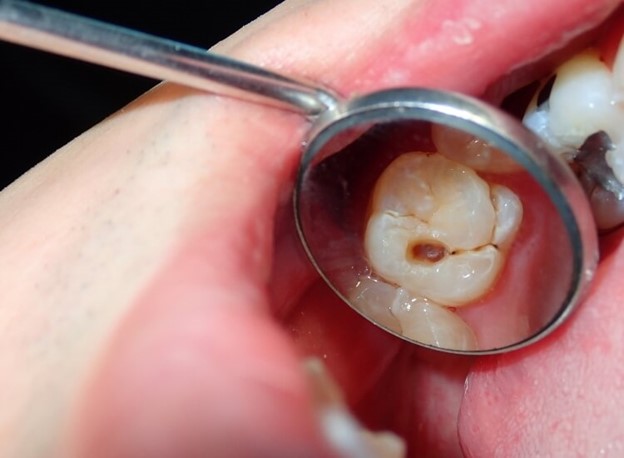
This is the part most people are never told. Decay confined to the outer enamel, which has not yet broken through into the dentine, can often remineralize. Fluoride, better cleaning between the teeth, and cutting the frequency of sugar, not the total amount, the number of separate times a day. Can arrest it.
We monitor those on X-rays and compare over time. Once decay crosses into the dentine it spreads sideways underneath the enamel and it will not reverse. At that point it needs removing and the tooth restoring.
- DetectionVisual examination, and X-rays for the surfaces between teeth where nothing is visible. Comparing today’s images with previous ones shows whether a spot is progressing or holding steady.
- A judgment about depthEnamel only, and we can watch it. Into dentine, and it needs treating.
- The right restoration for the sizeA small cavity gets a filling. A large one, where the walls are undermined, may need an onlay or a crown, a filling that big will simply break out again.
- If it has reached the nerveRoot canal treatment becomes the way to keep the tooth.
- Fixing why it happenedDry mouth, snacking frequency, exposed root surfaces, a partner tooth that is impossible to clean. Filling the hole without changing the cause just produces the next one.

Preventing the next one
- Frequency matters more than quantity. One dessert does less harm than six sips of a sweet drink spread across a day. Each exposure restarts the acid attack.
- Spit, do not rinse. Leaving the fluoride on the teeth after brushing is free and genuinely effective.
- Clean between your teeth. The surfaces between teeth are where adult cavities most commonly start, and a brush has never reached them.
- Tell us about dry mouth. Many common medications reduce saliva, and saliva is your main defense. There are practical ways to manage it.
- Sealants for children’s new adult molars, which is where most childhood decay happens.
Do you use silver fillings?
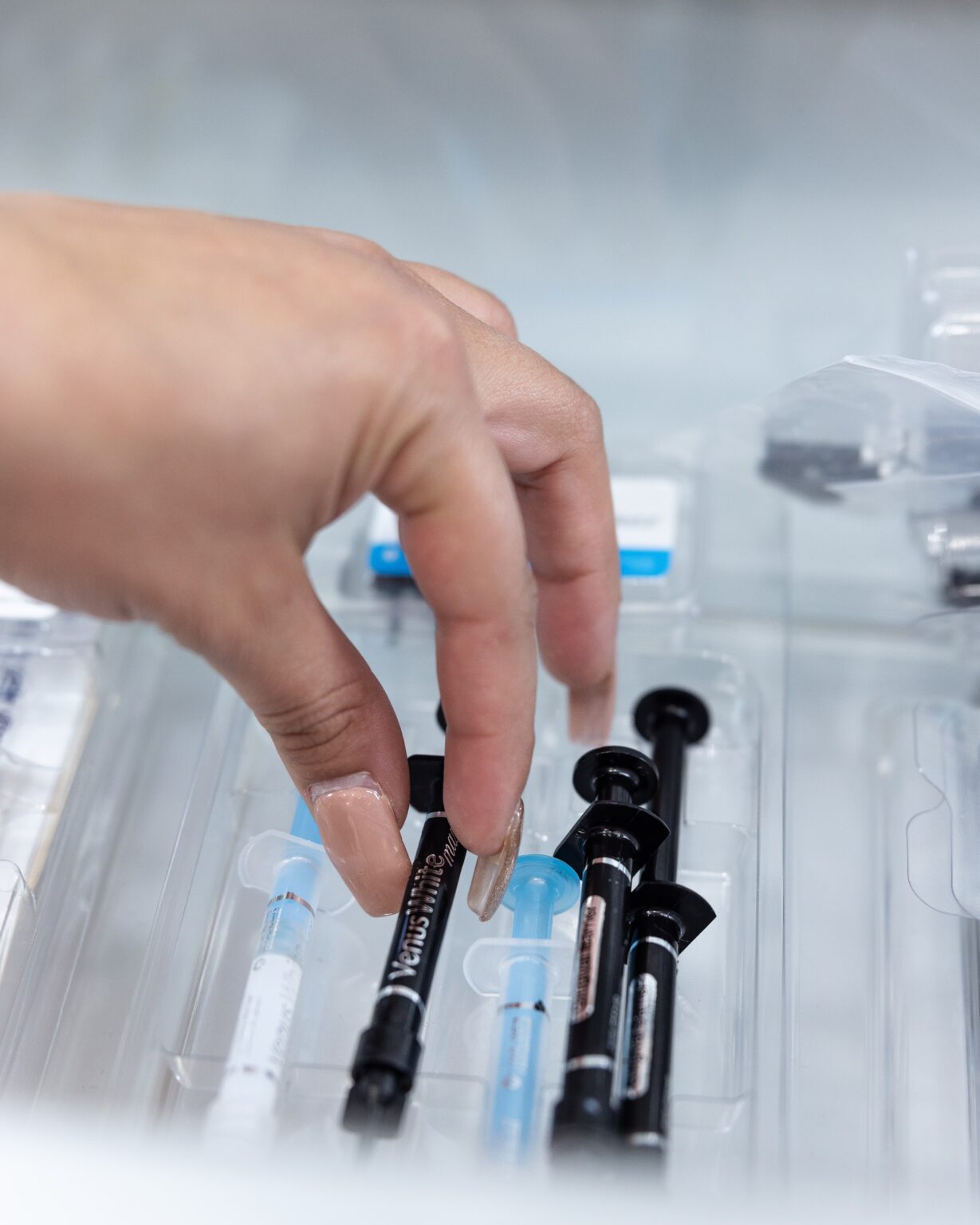
Modern tooth-colored composite is the default for most situations. It bonds to the tooth and needs less removal of healthy structure. We will discuss materials for your specific tooth.
Should I replace my old silver fillings?
Not simply because they are old. A sound amalgam filling that is sealed and not decayed is better left alone. Replacing it means removing more tooth. We replace them when they crack, leak or have decay underneath.
Will I need an injection?
For anything into the dentine, yes, and it is what makes the appointment comfortable. Very shallow work sometimes needs nothing at all.
Can a cavity heal on its own?
Early enamel decay can remineralize. Once it has broken into the dentine, no, and no toothpaste or supplement changes that.
Why does my tooth hurt after a filling?
Mild cold sensitivity for a week or two is normal while the nerve settles. Pain that increases, throbs, or wakes you at night is not, and should be looked at.
What if I leave it?
It gets larger, and the treatment escalates. Filling, then crown, then root canal, then extraction. Each step costs more than the last.
Get it looked at while it is still small
- (310) 860-6969Someone here answers.
- Request a visitWe will call to confirm.
- Pick a time onlineChoose your own slot.
What a temporary filling is for
A temporary is a deliberately soft material placed to seal a tooth for a short period. It is not a cheaper permanent filling, and it is not a compromise we hope you do not notice.
We use one when: a root canal is underway across visits; a very deep cavity needs a few weeks to see whether the nerve settles; you came in as an emergency and there was not time for definitive work; or an inlay is being made at the laboratory.
It matters that you come back. A temporary wears and leaks within weeks to a few months. Left in place, bacteria track back under it and the tooth ends up worse than before. This is one of the most avoidable ways we see a savable tooth lost.
If a temporary comes out, call us. Do not leave the tooth open.
Composite, used cosmetically
The same tooth-colored composite we use for fillings also rebuilds a chipped edge. This one was closed same-day with no preparation of the tooth and no waiting on a laboratory.