
Scaling & Root Planing in Beverly Hills, CA
Medically reviewed by Dr. Kayla Lebeau, DDS
The deep clean that goes below the gum line
A routine cleaning polishes what is above the gum. Scaling and root planing goes underneath it, onto the surfaces of the roots themselves, where hardened deposits sit inside the pockets that gum disease has created.
Those deposits are what the inflammation is reacting to. They are rough, porous and bonded to the root, and no toothbrush, rinse or water flosser removes them. They have to be scraped off, and the root surface left smooth enough for the gum to reattach to it.
This is the treatment that stops most gum disease progressing. It is not a deluxe cleaning. It is a different procedure with a different purpose.
- Usually takes2 visits, about 60 to 90 minutes each
- NumbingLocal anesthetic
- Discomfort afterTenderness for a few days
- Re-check6 weeks later, with new measurements
You are likely to need this if
- Pocket depths of 4mm or more were recorded when your gums were charted
- Your gums bleed when you brush, or when the hygienist measures them
- There is visible tartar built up at or below the gum line
- X-rays show the bone level has started to drop
- It has been years since your last cleaning
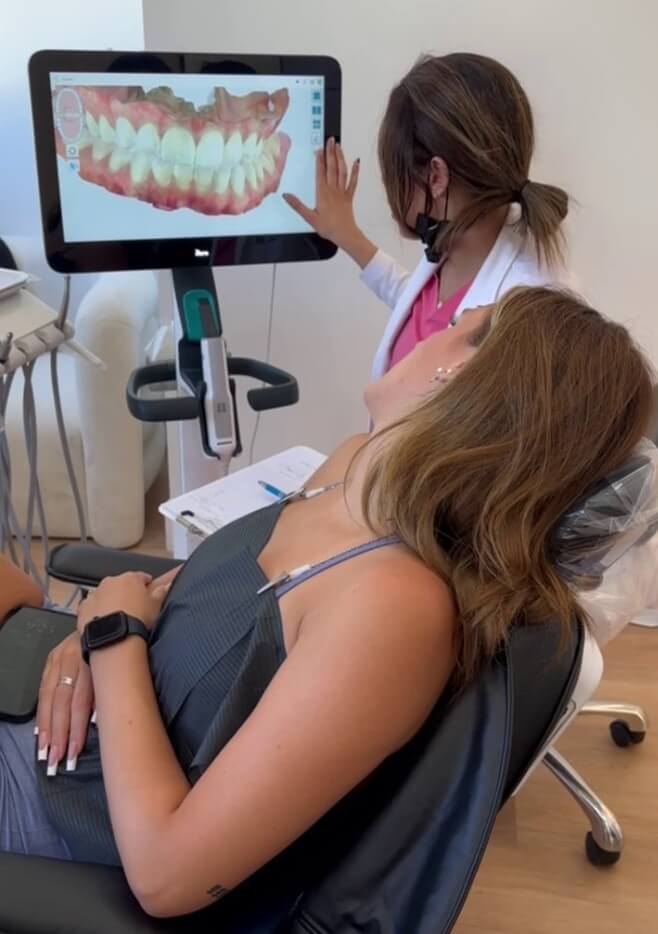
What the appointments are like
- Numbing that sideLocal anesthetic, because working below the gum on a root surface is not comfortable otherwise. We usually treat one half of the mouth per visit so you are not numb everywhere at once and can still eat afterwards.
- Ultrasonic scalingA fine vibrating tip breaks up and flushes out the hardened deposits with water. It does the bulk of the work and is gentler than it sounds.
- Hand instrumentsCurettes are used against the root surface to remove what the ultrasonic cannot feel out, particularly around root curves and furcations. This is the part that takes time and is worth not rushing.
- Smoothing the rootThe root is planed until it is smooth. A rough surface holds bacteria and the gum will not reattach to it, so this is the point of the whole procedure.
- Sometimes an antimicrobialA local antibiotic gel is occasionally placed into a stubborn pocket. It supports the cleaning; it never substitutes for it.

The first two weeks, and the six-week re-check
- Tenderness for a few days is normal. Ordinary painkillers cover it. Warm salt-water rinses help.
- Cold sensitivity for a few weeks is common, because root surfaces that were covered by tartar are now exposed. It settles. A sensitivity toothpaste used properly, rubbed on and left, not rinsed away, speeds it up.
- Some gum shrinkage. Swollen tissue firms up and recedes to where the bone actually is. Teeth may look slightly longer, and small gaps can appear between them.
- Clean between your teeth from day two. The treatment buys you a clean start; daily cleaning is what keeps it.
- Come back at six weeks. We re-measure the same pockets. Improvement means maintenance; no improvement means we escalate.
Does it hurt?
Not during, because you are numb. Afterwards expect soreness for a few days and cold sensitivity for a few weeks.
Why does it take two visits?
So only one side is anesthetized at a time, and so each side gets proper attention. Rushing all four quadrants into one hour is how deposits get missed.
How is it different from a regular cleaning?
A regular cleaning treats healthy gums above the gum line. Scaling and root planing treats disease below it, on the root surface, under anesthetic. Different problem, different procedure.
Will I need it again?
Not usually, if it works and you maintain it. What follows is periodontal maintenance every three months, which is a different and shorter appointment.
What if the pockets do not improve?
Then we look at laser treatment or surgical access to reach what non-surgical cleaning could not. That decision is made on the six-week measurements, not on guesswork.
Can I just brush harder instead?
No, and brushing harder damages the gum. Deposits below the gum line are bonded to the root and have to be instrumented off.
Get your gums measured, then decide
- (310) 860-6969Someone here answers.
- Request a visitWe will call to confirm.
- Pick a time onlineChoose your own slot.
Why this is not just a longer cleaning
A routine cleaning removes deposits from the tooth above and just below the gum line. Scaling and root planing works deeper, on root surfaces inside pockets that no brush and no ordinary cleaning can reach.
Two distinct jobs are involved. Scaling removes hardened calculus from the root. Root planing then smooths the root surface itself, because a rough, contaminated root gives bacteria somewhere to hold and prevents the gum reattaching.
That is why it takes far longer, usually across two visits treating half the mouth at a time, and why the area is numbed. Working below the gum on a comfortable patient produces a better result than rushing it on an uncomfortable one.
Expect tenderness and some cold sensitivity for a few days afterward, as the gum tightens and a little root surface becomes exposed. It settles.