Wisdom Teeth Removal in Beverly Hills
Medically reviewed by Dr. Jonathan Peri, DDS, MD
Wisdom teeth: when they need to come out, and when they do not
Wisdom teeth are the last molars to arrive, usually in your late teens or early twenties. Plenty of people keep theirs for life with no trouble at all. Removal is not automatic. It depends on whether yours have room, and whether they are causing problems you can see or ones only an X-ray reveals.
Our oral and maxillofacial surgeon works in this building, so assessment and surgery happen in the same practice rather than being referred across town.
- Usually takes30 to 60 minutes
- NumbingLocal anesthetic, sedation available
- Time off2 to 3 days for most people
- SurgeonOn site
Removal is usually advised when
- A tooth is impacted. Wedged against the one in front and unable to come through
- The gum over it keeps becoming swollen, sore or infected
- Decay has started on the wisdom tooth or the molar it presses against
- A cyst has formed around an unerupted tooth
- You cannot clean it properly, so it repeatedly causes gum problems
If none of these apply and the teeth are healthy, leaving them alone is a perfectly reasonable plan. We monitor rather than operate.
What the procedure involves
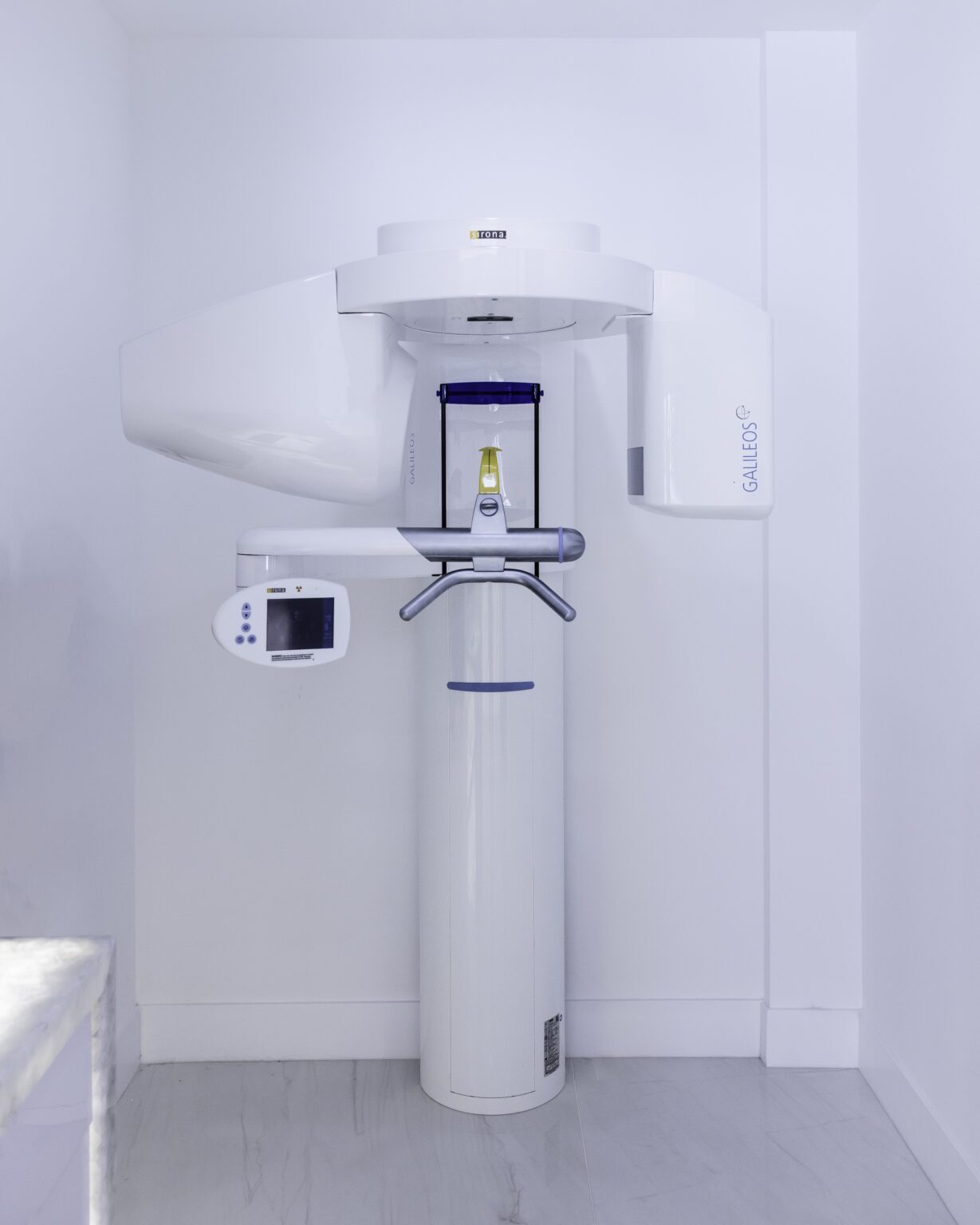
- AssessmentAn X-ray, and a 3D scan where the roots sit close to the nerve in the lower jaw. Knowing exactly where that nerve runs is what keeps the procedure safe.
- Choosing your comfort levelStraightforward cases are done under local anesthetic. If you are anxious or all four are coming out, sedation is available.
- The extractionA simple tooth lifts out in minutes. An impacted one may need a small incision and to be removed in sections. That is routine, and gentler than forcing it whole.
- Stitches and gauzeDissolving stitches where needed. You bite on gauze for a while to let a clot form. That clot is what heals the socket, so protecting it matters.
- RecoverySwelling peaks around day two, then eases. Most people are back to normal within three days.

Getting the recovery right
Most complications after wisdom tooth removal come from the clot being dislodged, which leaves the bone exposed, a dry socket. It is painful and entirely avoidable.
- No straws, no smoking, no vigorous rinsing for the first few days. The suction is what dislodges the clot.
- Cold on the outside for the first day, then warmth to help the swelling settle.
- Soft food and chew away from the site.
- Keep it clean. Gentle salt-water rinses after 24 hours, and brush the other teeth normally.
Do all four have to come out at once?
No. Some people prefer all four in one appointment and one recovery; others do one side at a time. Either is fine and it is your choice.
Will I be awake?
Under local anesthetic, yes. Numb but aware. Sedation is available if you would rather remember none of it.
How much time should I take off?
Plan for two to three days. Book it before a weekend if you can.
Does it hurt afterwards?
There is soreness and swelling for a few days, managed with ordinary painkillers. Pain that increases after day three is worth calling about rather than waiting out.
What if I keep them?
Then we watch them. Wisdom teeth that are healthy, cleanable and not causing problems do not need removing just for existing.
Find out whether yours actually need removing
- (310) 860-6969Someone here answers.
- Request a visitWe will call to confirm.
- Pick a time onlineChoose your own slot.