
Root Canal Procedure in Beverly Hills, CA
Medically reviewed by Dr. Kayla Lebeau, DDS
Root canal treatment saves the tooth
A root canal has a reputation it no longer deserves. The pain people associate with it is the pain of the infection that makes it necessary, the treatment is what stops that.
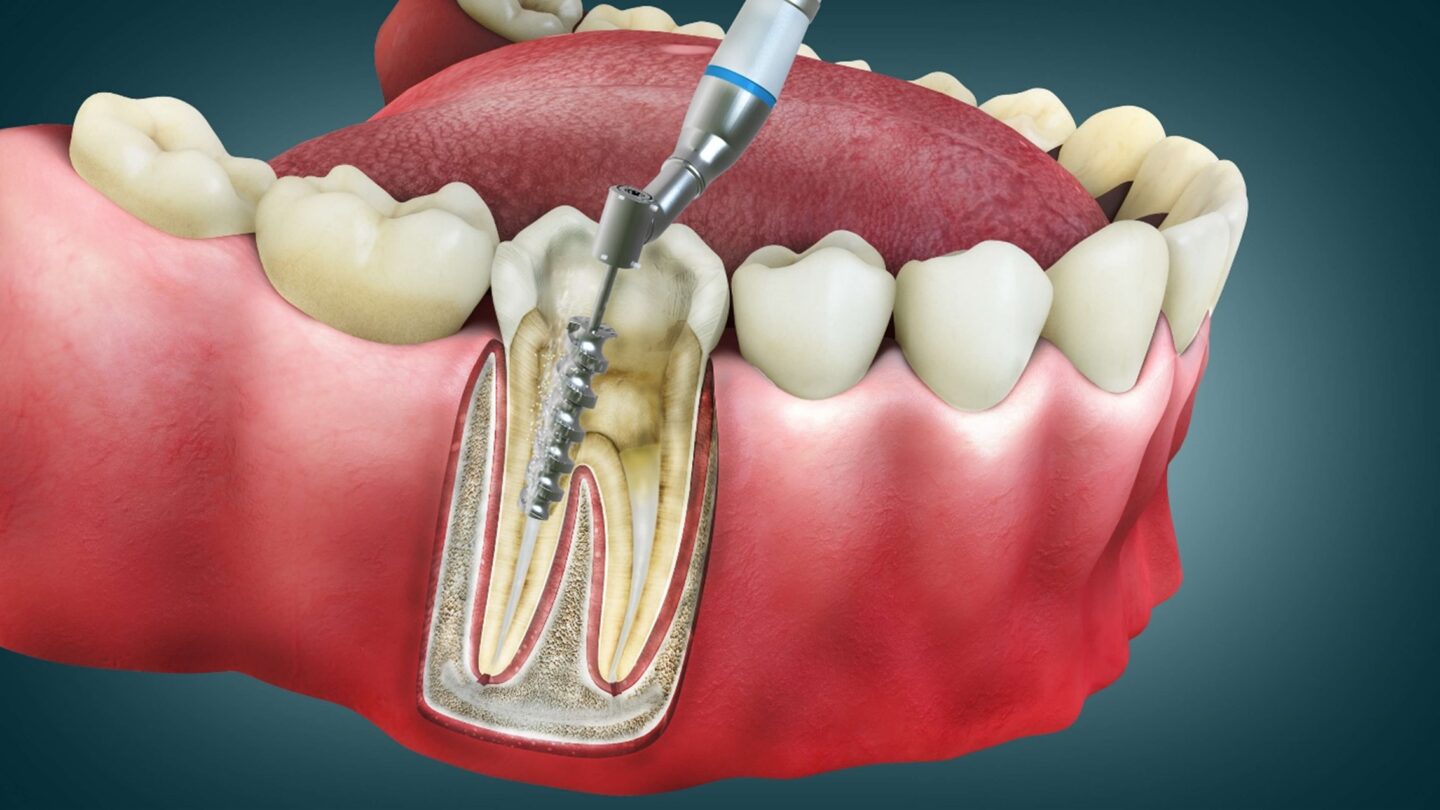
Inside every tooth is a soft core of nerve and blood vessels. When decay or a crack lets bacteria reach it, that tissue becomes infected. It does not heal on its own. A root canal removes the infected tissue, disinfects the space, seals it, and keeps your own tooth in your jaw rather than replacing it.
- Usually takes1 to 2 visits
- NumbingLocal anesthetic
- Back to workSame or next day
- Success rateHigh, when done early
Call us if you have
- Pain that lingers after something hot or cold, rather than fading in seconds
- A deep ache that wakes you at night or throbs when you lie down
- Pain when biting on one particular tooth
- A tooth that has darkened compared to its neighbors
- A pimple-like spot on the gum that comes and goes
- Swelling in the gum, face or jaw. This one is urgent
What happens in the appointment
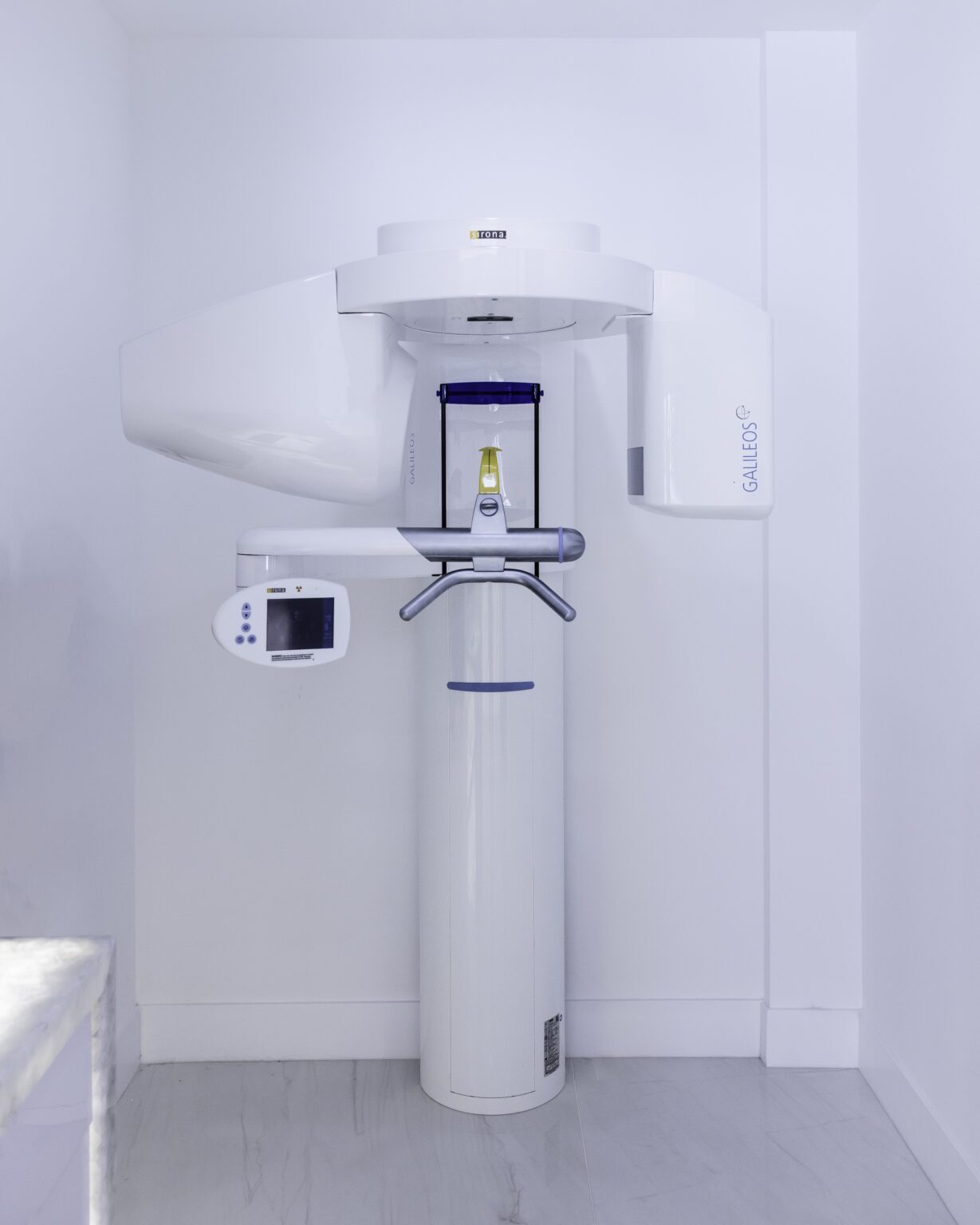
- DiagnosisAn X-ray, and tests on the tooth to confirm the nerve is the problem and not something referring pain from elsewhere. Treating the wrong tooth is the failure worth avoiding.
- NumbingLocal anesthetic. You should feel pressure and movement, but not pain. Tell us if you do. We top up rather than push on.
- Cleaning the canalsA small opening is made through the top of the tooth, the infected tissue is removed and the canals are shaped and disinfected. This is most of the appointment.
- SealingThe canals are filled to keep bacteria out. Where infection is significant we may medicate the tooth and seal it at a second visit.
- Protecting the toothA treated back tooth is more brittle and usually needs a crown. Skipping this is the single most common reason a successful root canal still ends in a lost tooth.

Afterwards
The tooth is usually tender for a few days, particularly to biting, and ordinary painkillers handle it. That tenderness should improve steadily. Getting worse after day three is worth a phone call.
Eat on the other side until the permanent restoration is fitted, and do not delay the crown, a temporary filling is not built to last.
The alternative, stated plainly
The alternative to a root canal is extraction. That is faster and cheaper on the day, and then you are deciding between a gap, an implant or a bridge. All of which cost more than the root canal would have. Keeping your own tooth is almost always the better outcome where the tooth is restorable. Where it is not, we will say so rather than treat something that will fail.
Does a root canal hurt?
The procedure itself should not. You are fully numb. What hurts is the infected nerve beforehand, and that is what treatment relieves. Most people say afterwards that it was easier than they expected.
How long does it take?
Usually one appointment of about 60 to 90 minutes. Molars have more canals and sometimes need a second visit.
Will the tooth look different?
A treated front tooth can darken over time. That is fixable with internal whitening or a veneer, and we will raise it before it becomes a surprise.
Do I really need a crown afterwards?
On a back tooth, almost always. Chewing forces are considerable and a treated tooth is more brittle. On a front tooth a filling is sometimes enough.
Can a root canal fail?
Occasionally, usually where a canal was missed or the seal is later compromised. Re-treatment is possible and we assess those cases on the 3D scan.
Am I better off just removing it?
Rarely, if the tooth can be saved. See the section above, the replacement always costs more than the repair.
In pain? Call first, we keep same-day slots
- (310) 860-6969Someone here answers.
- Request a visitWe will call to confirm.
- Pick a time onlineChoose your own slot.
Why the crown afterward is not an upsell
A back tooth that has had a root canal needs a crown, and it is worth understanding why rather than taking it on trust.
Two things have happened to that tooth. To reach the canals we had to open through the biting surface, removing the structural roof that held the walls together. And the tooth was already substantially damaged. That is why the nerve died in the first place.
What is left is a hollow shell with thin walls. It is not really more brittle in the material sense, the old idea that dead teeth dry out and snap is largely disproved, but it has lost the architecture that resisted your bite.
A crown wraps the remaining tooth and holds the walls together. Without one, back teeth split vertically at a high rate, and a vertical root fracture cannot be repaired. The tooth is then lost and the root canal was wasted.
Front teeth are different. They take less force, and a well-bonded filling is often enough.