
Oral and Dental Exams in Beverly Hills, CA
Medically reviewed by Dr. Kayla Lebeau, DDS
The appointment where problems are still small
An exam is not a formality before the cleaning. It is the appointment where decay is found while it is still a filling rather than a root canal, where gum disease is caught while it is still reversible, and where the soft tissues of your mouth are checked for anything that should not be there.
Almost everything expensive in dentistry was once something cheap that nobody looked at.
- Usually takes30 to 45 minutes
- How oftenEvery 6 months for most people
- X-raysOnly when they change the plan
- IncludesAn oral cancer check, every time
Book sooner if you have noticed
- Sensitivity to cold or sweet that lingers after the stimulus stops
- Floss that catches or shreds in the same place every time
- Bleeding gums, or a bad taste that keeps returning
- A tooth that aches when you bite down or release
- Any ulcer, white or red patch, or lump that has lasted more than two weeks
- A filling or crown that feels rough, sharp or loose
What is actually being checked
- Your historyWhat has changed, what hurts, your medical conditions and every medication you take. Dry mouth from common prescriptions causes rapid decay, and we would rather know than discover it.
- Every toothEach surface examined for decay, and every existing filling and crown checked at the margins, which is where restorations fail.
- Gums and bonePocket depths measured and bleeding recorded. Numbers, not impressions, so we can compare them next time.
- Soft tissue and cancer screeningTongue, floor of the mouth, cheeks, palate, throat and the lymph nodes in your neck. Oral cancer is highly treatable when caught early and frequently missed because it does not hurt. This takes two minutes and it happens at every exam.
- Bite and jointsHow your teeth meet, signs of grinding, wear facets, and whether your jaw joint clicks or is tender. Wear patterns explain a lot of cracked teeth.
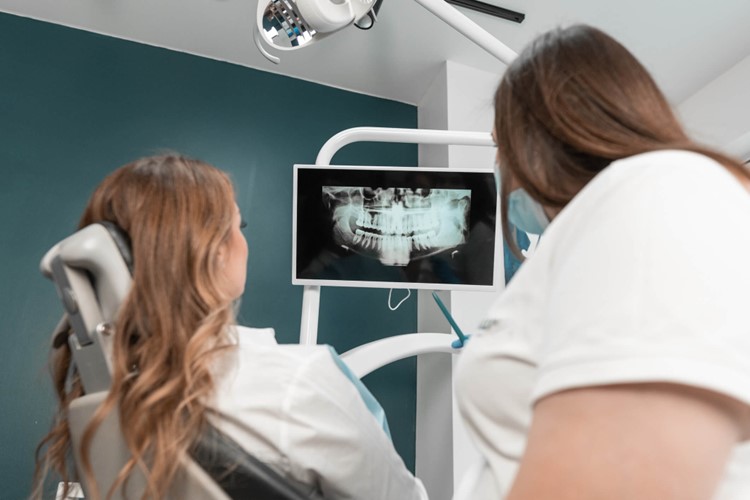
- Images if they will change somethingDigital X-rays show decay between teeth and bone levels no examination can reach. 3D imaging where a case genuinely needs it.
What you leave with
A plain-language account of what was found, sorted into what needs doing now, what we will watch, and what is entirely optional. Costs before anything starts, so nothing is a surprise later.
“Watch” is a real category and it is used honestly here. Early decay that has not broken through the enamel can remineralize with fluoride and better cleaning. Drilling it immediately is not automatically the right answer.
How often do I need X-rays?
It depends on your risk of decay, not on a fixed schedule. Someone with no new cavities in years needs them far less often than someone with active decay. Digital sensors use a very low dose, and we still take them only when the result would change what we do.
What if I have not been for years?
Book a longer first appointment and say so when you call. There is no lecture. We look, we explain, and we prioritize.
What happens if something is found?
We show you, on the X-ray or on the screen, explain the options including doing nothing, and give you the cost before you decide.
Is the oral cancer screening a separate thing?
No. It is part of every examination, included, every time.
Do I need an exam if I am not in pain?
Especially then. Decay and gum disease are painless until they are advanced. Pain is a late symptom, not an early one.
Can I bring my children to the same appointment?
Yes, and it often helps them to see you go first. Ask when you book and we will try to group you.
Book an exam and find out where you stand
- (310) 860-6969Someone here answers.
- Request a visitWe will call to confirm.
- Pick a time onlineChoose your own slot.
What actually works at home
Between visits, most of the outcome is decided by a handful of habits. In order of how much difference they make:
- Clean between your teeth every day. Floss, interdental brushes or a water flosser. Whichever you will genuinely use. A brush cleans three of five surfaces; decay and gum disease start on the two it misses.
- Brush twice for two minutes, angled into the gum line. Most people brush the teeth and miss the join, which is exactly where gum disease begins.
- Spit, do not rinse. Rinsing with water washes away the fluoride you just applied. Leaving it there is free and genuinely effective.
- Reduce how often, not just how much. Frequency of sugar matters more than quantity, because each exposure starts a fresh acid attack.
- Wait after acidic food or drink. An hour before brushing, so you are not scrubbing softened enamel.
What we look for, beyond cavities
A thorough exam is mostly not about finding holes. It is a survey, and several parts of it matter more than the cavity check.
- An oral cancer screening. Tongue, floor of mouth, cheeks, palate and the lymph nodes in your neck. Quick, painless, and the single most important thing done at the appointment. Early detection changes outcomes dramatically.
- Gum measurements, recorded and compared to previous visits. Numbers, not impressions.
- Existing work. Old fillings and crowns are checked for leaking margins and cracks, which is where problems start silently.
- Wear patterns and the bite, which reveal grinding long before you notice it.
- The jaw joint, for clicking, restriction or tenderness.
X-rays are taken at intervals based on your risk, not on a fixed schedule. They show decay between teeth and bone levels that no examination can see.