
Abscessed Tooth
Medically reviewed by Dr. Kayla Lebeau, DDS
An abscess is an infection with nowhere to drain
Bacteria reach the pulp inside a tooth, through deep decay, a crack, or a failed filling, and the tissue dies. Pus collects at the root tip, inside bone, under pressure. That pressure is the throbbing, and it is why the pain is so specific: worse lying down, worse with heat, and often relieved by cold.
This does not resolve on its own. It can spread into the tissues of the face and neck, and occasionally that becomes a genuine medical emergency. It needs treating, not enduring.
- CauseBacterial infection
- Antibiotics aloneNot a cure
- TreatmentDrain it, then treat the source
- GoalSave the tooth where possible
Signs of an abscess
- Severe, throbbing pain that may spread to the jaw, ear or neck
- Pain that is worse when you lie down, and wakes you at night
- A tooth that is tender to bite on, or feels raised up
- A pimple-like bump on the gum, sometimes leaking a bad taste
- Swelling of the gum, face or jaw
- Sensitivity to heat, with relief from cold, a fairly specific sign
- Pain that stopped suddenly, which can mean the nerve has died while infection continues

Antibiotics are not the treatment
This is worth being blunt about. Antibiotics reduce the spread of infection into surrounding tissue, and they can settle swelling and buy time. They do not reach the dead tissue inside a tooth, because that space has no blood supply for the drug to travel through.
The infection comes back, usually within weeks, unless the source is dealt with. A course of antibiotics from an urgent care clinic without dental treatment afterwards is the single most common reason people end up in real trouble with an abscess.
- DiagnosisTesting which tooth is actually responsible, because referred pain is common and treating the wrong tooth is a genuine risk. X-rays, and a 3D scan where the picture is unclear.
- Drainage and reliefReleasing the pressure is what stops the pain, usually the same visit. That may be through the tooth or through the gum.
- Treating the sourceRoot canal treatment to remove the infected pulp and seal the canals, if the tooth is worth keeping. Extraction if it is not.
- Antibiotics where indicatedPrescribed when there is facial swelling, fever, or spreading infection, alongside the dental treatment, never instead of it.
- Restoring the toothA back tooth that has had root canal treatment usually needs a crown to stop it splitting.
While you are waiting to be seen
- Sleep propped up on extra pillows. Lying flat increases blood pressure at the root tip and the throbbing with it.
- Cold on the outside of the face. Never heat. Warmth encourages the infection to spread through the tissues.
- Ordinary painkillers as directed. Never hold aspirin against the gum; it burns the tissue and does not help the tooth.
- Warm salt-water rinses if a gum abscess is draining. Rinse gently, do not swish forcefully.
- Do not squeeze the bump or try to lance it yourself.
- Soft food, and avoid extremes of temperature on that side.
Will it go away on its own?
No. Sometimes it bursts and drains, the pain eases dramatically, and people assume it has healed. The infection is still there, quietly destroying bone, and it will return.
Why did the pain suddenly stop?
Usually because the nerve inside the tooth has died completely. That is not recovery. It is the infection moving from the tooth into the bone around it. It still needs treating.
Can a dental abscess be dangerous?
Rarely, yes. Infection can spread into the floor of the mouth, the neck or the tissues around the eye. Difficulty breathing or swallowing, or swelling closing an eye, means an emergency room, immediately.
Does drainage hurt?
Releasing the pressure is what relieves the pain, and it is done under local anesthetic. Very inflamed tissue can be harder to numb, so we take extra care and use additional techniques where needed.
Can the tooth be saved?
Often, yes, with root canal treatment. Whether it can depends on how much sound tooth remains and how much supporting bone is left. We will show you the X-ray and explain honestly which category yours is in.
What if I only have pain with no swelling?
Still get it looked at promptly. An abscess without visible swelling is contained inside bone, and that is exactly the stage at which the tooth is most likely to be saved.
Call today. This one does not wait
- (310) 860-6969Someone here answers.
- Request a visitWe will call to confirm.
- Pick a time onlineChoose your own slot.
Three kinds, three different treatments
They feel similar to you. They are not the same problem, and treating the wrong one is why some abscesses keep coming back.
Periapical. At the root tip, from a dead nerve inside the tooth. Bacteria reached the pulp through decay or a crack. The cure is a root canal or extraction; cleaning around the outside does nothing.
Periodontal. In the gum pocket beside the tooth, from gum disease. The nerve inside may be perfectly healthy. Here the answer is drainage and deep cleaning of the pocket, and a root canal would be the wrong treatment entirely.
Pericoronal. Under the gum flap over a partly erupted wisdom tooth. Common in the late teens and twenties, and it usually recurs until the tooth or the flap is dealt with.
We test the nerve and X-ray before deciding, because the treatments point in opposite directions.
Symptoms of an Abscessed Tooth
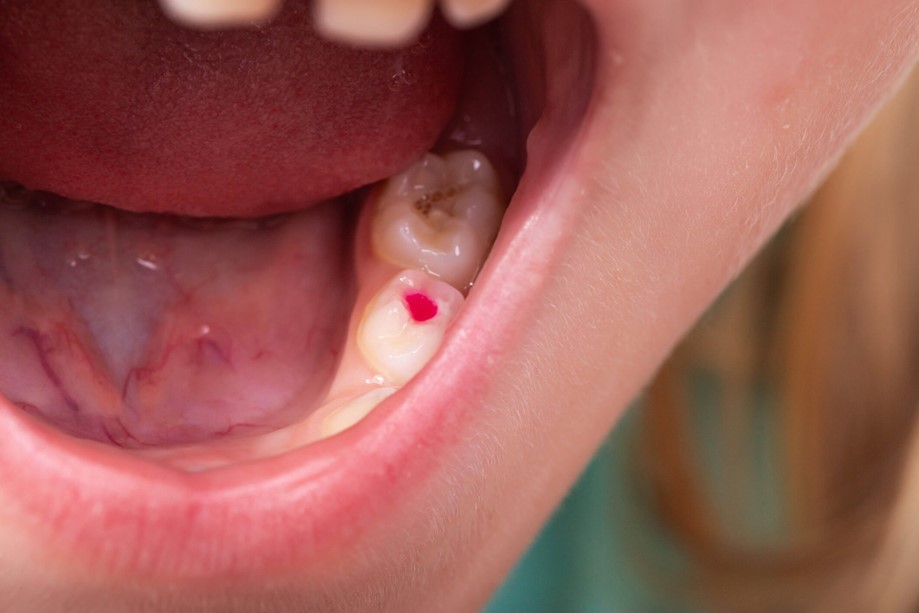
Who is at higher risk
An abscess in a healthy adult is usually a local problem. Some conditions make it more likely to spread, and we treat those cases more aggressively:
- Diabetes, particularly if poorly controlled. Higher infection risk and slower healing
- A suppressed immune system. Chemotherapy, transplant medication, long-term steroids
- Heart valve replacement or certain heart conditions, where dental infection carries additional risk
- Bisphosphonates or similar bone medication, which changes how we approach extraction
- Smoking. Reduced blood supply, poorer healing
Tell us your full medical history and every medication, including anything over the counter. It genuinely changes the plan, and it is not a formality.

Stopping it happening again
Every abscess we treat was something smaller first. Usually a cavity, a cracked filling, or a gum pocket nobody was watching.
- Finish the treatment. Drainage relieves pain but does not cure anything. Abscesses that return are almost always ones where the root canal or cleaning was never completed once the pain stopped.
- Keep the check-up interval. X-rays find decay between teeth long before it reaches the nerve.
- Treat gum disease properly. Periodontal abscesses come from pockets, and pockets are measurable and manageable.
- Take a cracked tooth seriously. Pain on releasing a bite is the classic sign.
- Clean between your teeth daily. Unglamorous, and it is where most of this starts.
Why an abscess is not something to sit on
The single most common thing we hear is that the pain went away, so it seemed to have resolved. It rarely has.
When an abscess drains, through a small spot on the gum, or into the mouth as a sudden bad taste, the pressure releases and the pain stops. The infection carries on. It is now a chronic infection with an escape route, quietly destroying bone at the root tip, and it will flare again.
This is also why leftover antibiotics are such a trap. They suppress the symptoms, you feel better, the appointment gets canceled, and the same tooth returns worse in three months, often now needing extraction rather than a root canal.
Come in while the tooth is still savable. That is the whole message of this page.